Design Guide
Designing a home office: tips for a focused and motivating study space
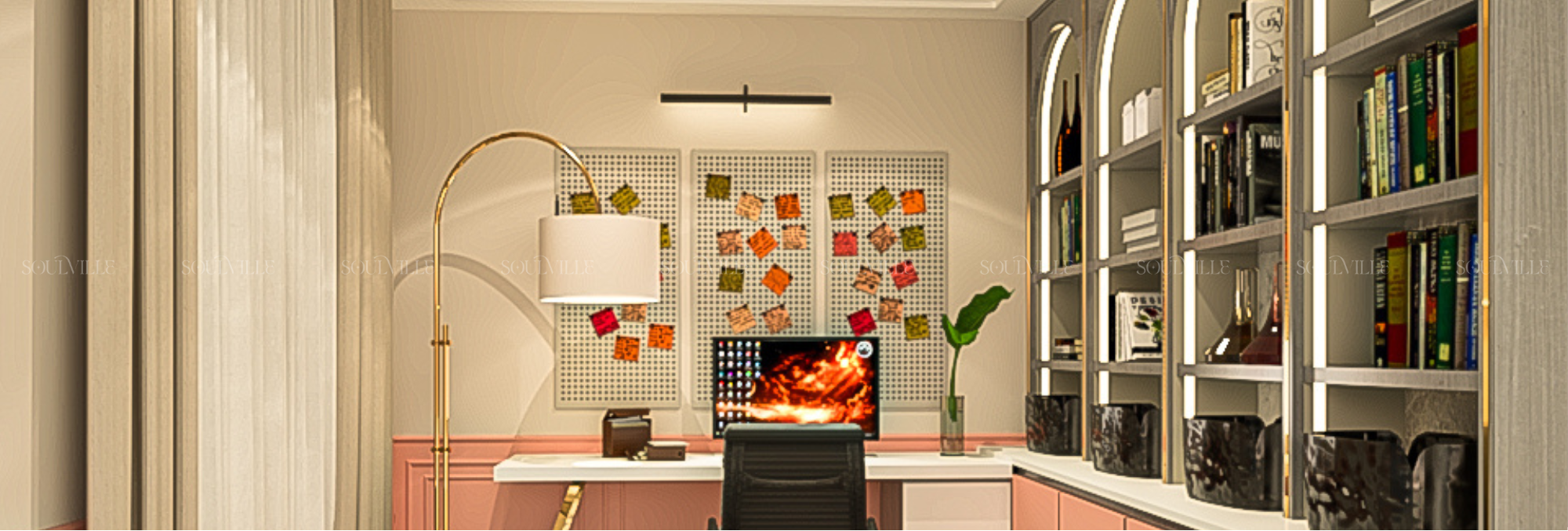
Your study space should be more than a place to store your books and office stocks; it’s where ideas take their form and development happens. Whether you’re channelizing through your studies, working remotely, or amplifying your jar of knowledge, a compassionately designed space can make all the distinction. With the correct setup, your study area can become a dominant cornerstone for focus, motivation, and personal achievement. Let's reconsider your space to spark both fruitfulness and creativity!
Content List
- Location is Key
- Furniture Selection
- Organization is Essential
- Minimize Distractions
- Lighting Matters
- Greenery for Inspiration
- Tech Integration
- Comfort is Key
#1. Location is Key
Choosing the accurate spot for your home office is important for maximizing focus and creativity. Keep your taste and persona in mind when deciding where to establish your workspace.
- Natural Light Always Boosts Mood: Natural light has been shown to strengthen mood and energy levels. Try to choose a zone with a plethora of windows to allow in daylight. It will help to keep you feeling awake, motivated and going throughout the day and can also boost your sleep quality at night.
- Consider Noise Levels: Noise can either improve focus or be a major interruption, based on the person. Some flourish with a bit of background noise, while others need absolute silence. Select a zone that matches your responsiveness to noise. Ideally, choose a quiet spot away from busy and fussy parts of your home like the dining area or kitchen.
Pro Tip: Preferably, pick a spot with a motivating view, like a green lush garden or a crowded cityscape, to keep your productivity flowing.
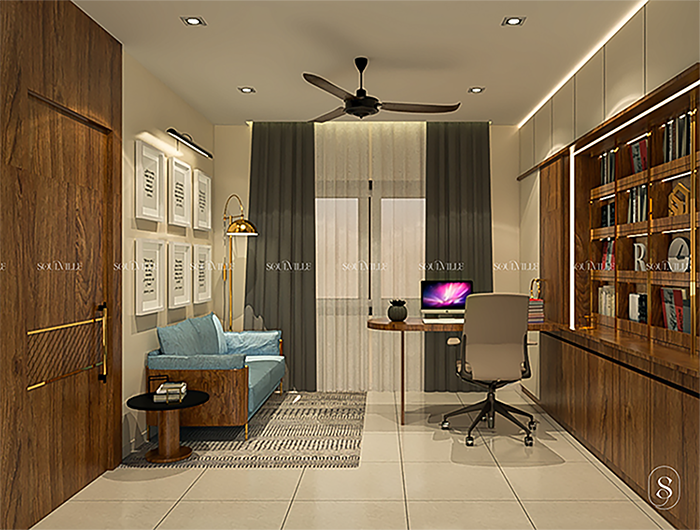
In one project, we chose a silent zone packed with natural light for a study space. A huge window featured the client’s garden, becoming a natural spotlight point. We used earthy tones on the walls and combined a soft blue rug for a soothing and comfy atmosphere.
#2. Furniture Selection
Choosing the correct furniture is crucial for staying comfortable and fruitful during long hours of work or study sessions. Poor furniture options can give rise to disconcert and inattentiveness. Here are some convenient key points to take into consideration:
- Adjustable Chair: Select a chair with adaptable seat height, armrests and lumbar support to find the perfect position for your body for any kind of activity.
- Spacious Desk: Pick a desk with ample legroom and a big surface area to restfully spread out your work materials.
Pro Tip: Take note of the materials too. Mesh chairs give ventilation, while padded ergonomic chairs take care of additional relaxation.
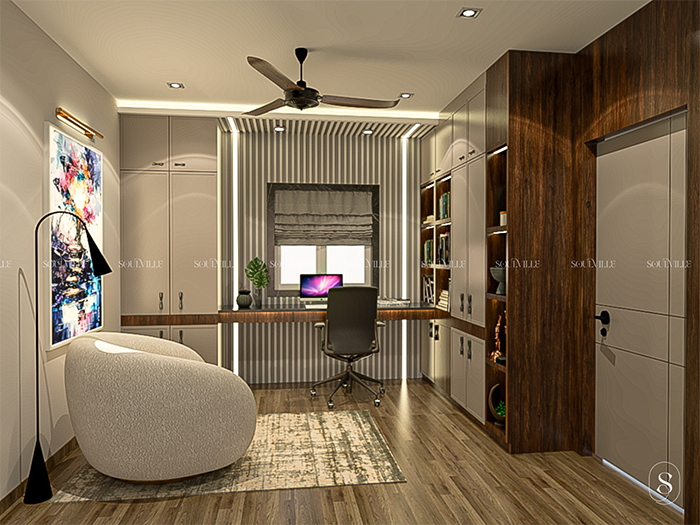
In a recent project, we combined easy to use furniture with cozy elements to create a practical yet welcoming workspace. We chose a sleek easy to operate chair and a spacious desk with ample legroom. A soft throw blanket over the chair added a subtle touch of comfort.
#3. Organization is Key
A messed-up workspace can be disturbing and hamper your productivity. By allocating a specific place for everything, you can keep your area neat and systematic. Use shelves, drawers and organizers to store textbooks, notebooks, office equipment and other essentials. This method makes items easy to search for and makes them calm and visually appealing surroundings.
Pro Tip: Use a filing system or drawer dividers to keep papers systematically. Categorizing shelves and drawers can also help you swiftly track down specific items.
#4. Minimize Distractions
Build a Focus-Friendly Environment: To increase concentration and creativity, it's pertinent to lessen unnecessary external noise and disruptions. Here are some suggestions for building a quiet and focused workspace
- Soundproofing Materials: Opt for acoustic panels or sound-absorbing curtains to lessen noise from outside your study space.
- Designated Quiet Zone: If possible, use room dividers to build a separate area within your home. This helps set up a designated space for focused work away from interruptions.
#5. Lighting Matters
Good lighting is important for decreasing eye strain and improving your mood. While natural light is perfect, artificial lighting is also salient for a fruitful workspace. Here are some points to make certain your study area is well-lit:
- Maximize Natural Light: Locate your desk near a window to make the full use of natural daylight.
- Layer Artificial Lighting: Use a combination of task lighting (like desk lamps) and ambient lighting to generate a shining and welcoming workspace.
- Choose the Right Bulbs: Pick bulbs with a color temperature that imitates natural daylight, such as soft white or daylight LEDs.
Pro Tip: Mix natural light with adjustable lamps to continue optimal lighting all day.
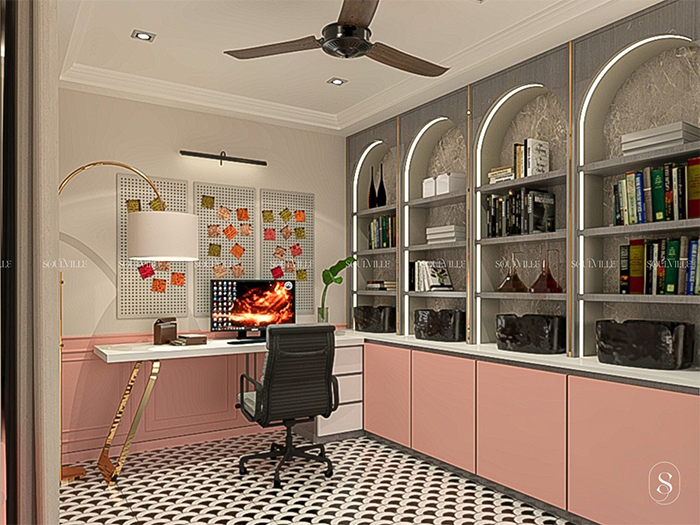
We designed a study space that motivated creativity by making a vintage lamp the center point. With its long, polished brass arm, the lamp gave a bright, focused light in the workspace, giving the spotlight to every detail. This statement piece was accompanied by recessed ceiling lights that gave even bright light throughout the room.
#6. Greenery for Inspiration
Introducing plants to your study area carries life and can boost focus and analytical power. Here’s how to include greenery in your workspace:
- Choose Low-Maintenance Plants: Select low-maintenance options like succulents, snake plants or pothos that need little maintenance.
- Consider Plant Placement: Keep plants strategically to add color and liveliness to your workspace.
- Select Stylish Pots: Use pots that coordinate with your decor and add a personal touch to your study area.
#7. Tech Integration
A well- furnished and loaded study space is important for productive learning and creativity. Here’s how to ensure your workspace is tech-ready:
- Select the Right Equipment: Pick devices and tools that go with the tasks you’ll be doing maximum times, from laptops to monitors or printers.
- Ensure Adequate Power Supply: Make sure you have sufficient outlets to power all your devices without any interruptions.
- Manage Cables Effectively: Use cord organizers, clips, or under-desk trays to keep the cables tidy and prevent messing up.
#8. Comfort is Key
A comfortable study surrounding is important for staying focused and guided. Here are some tips to make your workspace a cozy and inviting environment:
- Add Comfort with Textiles: Use rugs, throws, and cushions in soft, textured fabrics. Select colors that give relaxation and concentration, such as neutral tones or calming blues and greens.
- Think Beyond Furniture: Upgrade your comfort with easy-to-use accessories like footrests and lumbar support pillows to assist long study sessions.
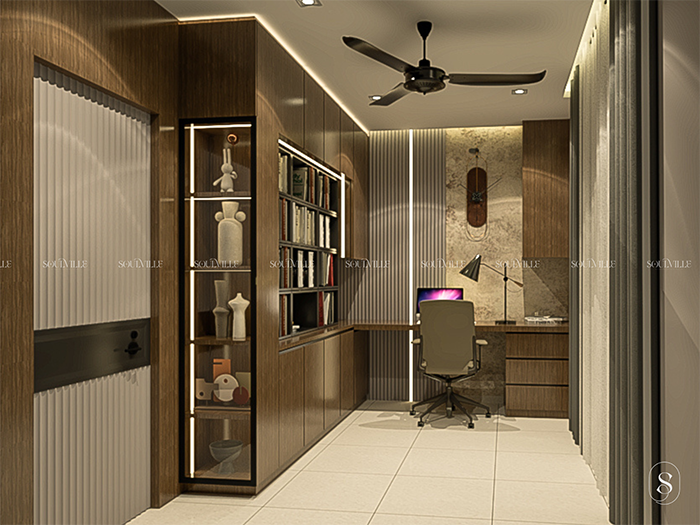
For a project, we selected a smooth adjustable standing desk to switch comfortably between sitting and standing, lessening fatigue. An easy to operate chair with lumbar support, a soft blue rug and a memory foam footrest added comfort and snugness to the space.
#9. Personal Touches
Customizing your workspace can enhance motivation and make it more productive. Here are some ideas:
- Showcase Your Style: Exhibit artwork, photos or quotes that echoes you.
- Create a Vision Board: Get a vision board to display images and quote those lines up with your goals.
- Include Meaningful Mementos: Add items that give you a sense of joy or motivation.
FAQs
Q1: What if I don't have a lot of natural light in my space?
A: Don't fret about it! You can still create a well-lit and welcoming study area by adding a few task lamps that provides ample of task lighting and choose lighter paint colors to help bounce back and improve any natural light you do have.
Q2: How can I choose the best location for my study room?
A: Select a quiet spot away from the fussy noise of your home. Preferably, you want a zone with some natural light and good aeration to keep things fresh and fruitful and to avoid suffocation.
Q3: What type of easy-to-use furniture should I invest in?
A: Invest in a spacious desk and a chair that enhances your posture. An adjustable chair with lower-spine assistance is crucial, and make sure your desk is at a comfortable height to avoid straining your neck and back during long hours of study sessions.
Conclusion
By administering these tips and welcoming your creativity, you can build a study space that not only holds up your academic or professional goals but also enhances your well-being and operates your success. Start designing your ideal study sanctuary today—where focus meets motivation and success is definite. Our professional experts are ready to help you with small spaces, budget-friendly options and adaptable rooms.